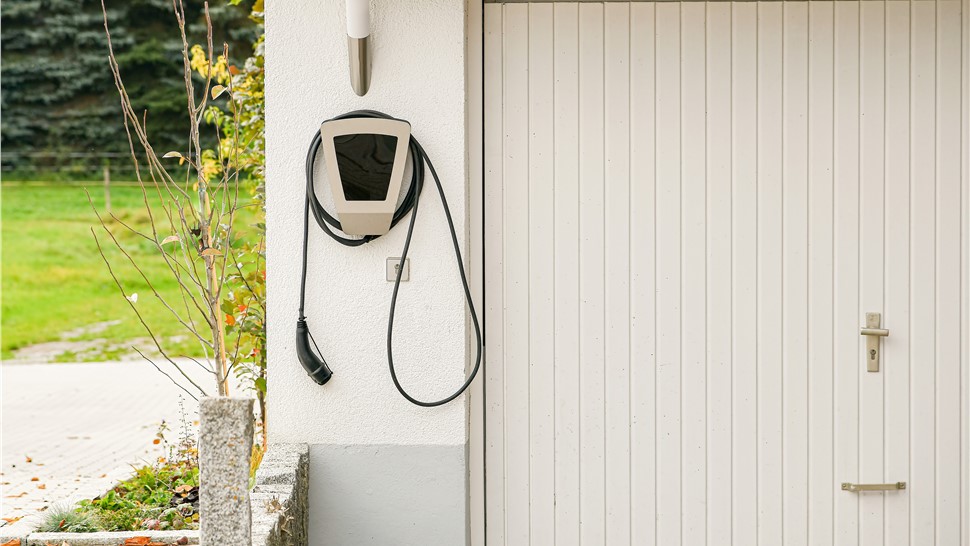
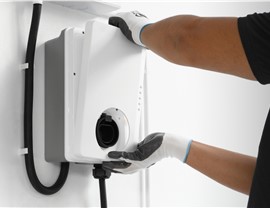
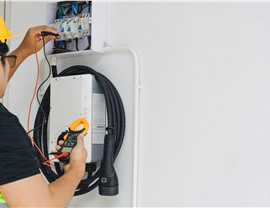
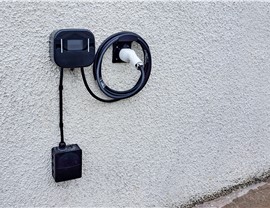
Most Issaquah homes can add a Level 2 EV charger, and the deciding factor is your electrical panel. Luminex Electric Works starts every EV charger installation with a load calculation, so you know before any work begins whether your current service can support a charger or needs more capacity first. From there we pull the permit, install a dedicated circuit and charger, and close out the inspection.
What a Level 2 Home Charger Needs
A Level 2 charger runs on 240 volts, the same type of circuit that powers a dryer or range. Charging overnight on Level 2 typically refills a daily commute in a few hours, while a standard 120-volt outlet can take all night to add a modest range. Because a car charges for hours at a time, the electrical code treats it as a continuous load, which means the circuit has to be sized with extra headroom.
To plan a safe installation, we look at a few details in your home.
- Panel Capacity: Your main service size (often 100 or 200 amps) and how much of it your home already uses.
- Available Breaker Space: Whether your panel has room for a new two-pole breaker or needs a subpanel.
- Charger Location: The distance from the panel to your garage or driveway, which affects wire size and cost.
- Charger Type: A hardwired unit or a plug-in charger on a NEMA 14-50 outlet, depending on your vehicle and preferences.
Why the Load Calculation Comes First
Skipping the load calculation is the most common mistake we see with DIY and bargain charger installs. A charger that pulls 40 amps for hours can overload a panel that is already serving a heat pump, electric range and hot water heater. The result can be nuisance tripping at best and overheated equipment at worst.
If your home has the capacity, installation is usually straightforward. If it does not, we will walk you through the options, from load management devices that share capacity between appliances to a full service panel upgrade in Issaquah. You get a clear recommendation and a written estimate before anything is scheduled.
Hardwired Chargers Versus Plug-In Outlets
Both approaches work well when installed correctly. A hardwired charger is connected directly to its circuit, which allows higher charging speeds and removes the outlet as a wear point. A NEMA 14-50 outlet lets you plug in the portable charger many vehicles include, and it is easy to use with a different charger later.
For daily charging in a garage, many homeowners choose a hardwired smart charger. If you rent, expect to move, or already own a portable unit, a quality 50-amp outlet on a dedicated circuit may be the better fit.
Permits, Inspection and Utility Rebates
A new 240-volt charger circuit in Washington requires an electrical permit and inspection. We handle both, so your installation is documented for insurance and for future buyers of your home.
Puget Sound Energy customers may qualify for a rebate of up to $300 on a qualifying ENERGY STAR certified smart Level 2 charger. Income-qualified customers may be eligible for more, including help with installation costs. Program rules and amounts change, so check the current PSE requirements before you buy a charger. The federal 30C tax credit for home chargers ended for equipment placed in service after June 30, 2026.
Our EV Charger Installation Process
We start with an in-home visit to review your panel, the charger location and your vehicle's charging needs. You receive a written estimate that explains whether any panel work is needed. On installation day we run the circuit, mount and connect the charger, test it with your vehicle when possible, and schedule the inspection. If you are planning other upgrades, such as a heat pump or hot tub, tell us up front so we can size your electrical system for everything at once.
EV Charger Questions From Issaquah Homeowners
Do I need a panel upgrade to install an EV charger? Not always. A load calculation shows whether your current service can carry a dedicated charger circuit. Many 200-amp homes can add one without an upgrade, while older 100-amp services often need more capacity first.
Do I need a permit to install an EV charger in Washington? Yes. A new 240-volt charger circuit requires an electrical permit and inspection. We pull the permit and schedule the inspection as part of the job.
Is the federal EV charger tax credit still available? No. The federal 30C credit ended for equipment placed in service after June 30, 2026. PSE rebates may still apply to qualifying chargers.
Plan Your Home EV Charger With a Licensed Electrician
A home charger is one of the most useful upgrades you can make, as long as your electrical system is ready for it. Luminex Electric Works installs Level 2 chargers for homeowners across Issaquah, Sammamish and the greater Issaquah area, with the load calculation, permit and inspection included. Request an estimate and we will help you choose the right charger setup for your home and your vehicle.